


Peter Wind, Publisher at CoinCodex

Peter has been covering the cryptocurrency and blockchain space since 2017, when he first discovered Bitcoin and Ethereum. Peter's main crypto interests are censorship-resistance, privacy and zero-knowledge tech, although he covers a broad range of crypto-related topics. He is also interested in NFTs as a unique digital medium, especially in the context of generative art.
Peter Wind Latest Articles
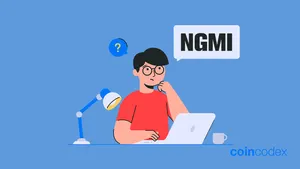
In the cryptocurrency and blockchain community, the acronym “NGMI” means “Not Gonna Make It”. The NGMI acronym is usually used to express disapproval of a particular cryptocurrency, investment strategy or individual.
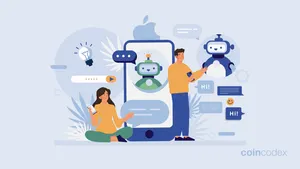
While there are valid concerns about the implications of AI, the great news is that you can already take advantage of AI today to boost your productivity, automate tedious and time-consuming tasks, or simply have fun and express your imagination. Here are the best AI apps for the iPhone.

While cryptocurrency can certainly be a great investment, it never hurts to diversify your portfolio. We’re highlighting the three ways that you can buy gold with crypto and explaining the benefits and disadvantages of each method.
Ethereum staking allows holders to receive rewards and contribute to the network's security. Learn about different ways of staking ETH and their pros and cons.
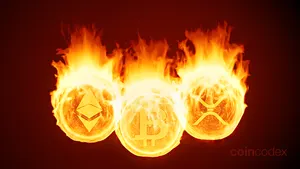
When reading about cryptocurrencies such as Binance Coin (BNB) or Maker (MKR), you’ve most likely encountered the term “coin burn”. While the term might sound negative, it is actually a popular method to regulate the supply of a token.
We compare KuCoin vs. Binance, highlighting how these two exchanges stack up against each other in key categories such as trading fees, features, futures trading, cryptocurrency listings and more.
When it comes to tokens vs. coins, the key difference is that a coin is the native asset of a blockchain. Meanwhile, a token is a crypto asset that’s issued on top of an existing blockchain and inherits its security.
The Bitcoin ecosystem has taken a fascinating turn thanks to new protocols that make it possible to create custom tokens and even NFTs that function on the Bitcoin network. BRC-20 is a standard for issuing fungible tokens on the Bitcoin blockchain.
ARC-20 is a token standard that makes it possible to create fungible tokens that can be held and transferred on the Bitcoin blockchain. ARC-20 standard tokens are issued using the Atomicals protocol. In the ARC-20 standard, tokens are represented with satoshis.

IDV is an acronym for identity verification. You might have encountered this term when setting up an account with an online wallet, neobank or cryptocurrency exchange. When the acronym IDV is used in the insurance industry, it refers to a vehicle's insured declared value.


