Key highlights:
- Bitwise CIO Matt Hougan is increasingly bullish on DeFi tokens
- This comes as the protocols continue to see rapid growth in revenue
- Hyperliquid uses about 99% of its fee revenue into HYPE purchases
- Uniswap governance funded 7.5 million UNI burns through protocol fees
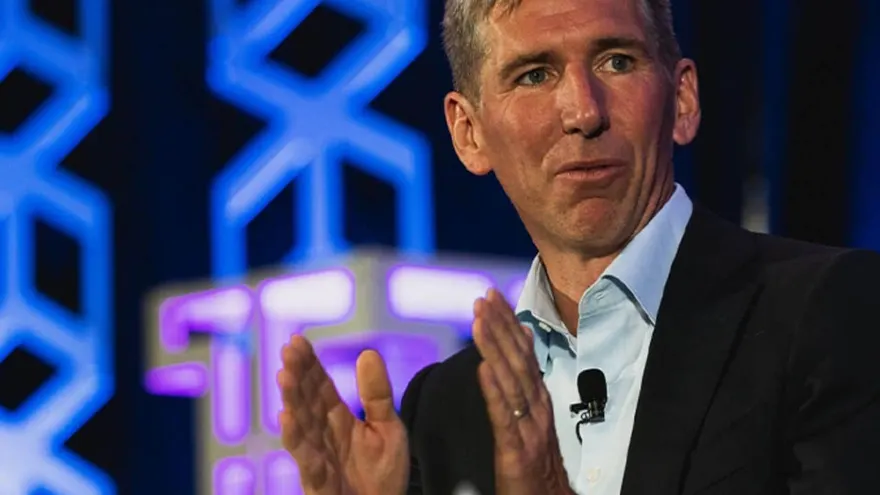
Bitwise Chief Investment Officer Matt Hougan shared that crypto valuations away from Bitcoin could rise as more protocols use the revenue they generate to buy their native tokens.
In a memo titled "Crypto's Revenue Revolution," Hougan highlights Hyperliquid, Uniswap, Aave, Pump.fun and Lighter as examples of projects using fees or other protocol income to fund token purchases or burns.
How buyback and burn models are spreading in DeFi
Hougan's base argument is that crypto is moving away from a time when networks generated revenue without passing much of that value back to their token holders.
“We’re now in a stage where, outside of Bitcoin, the value of crypto assets will increasingly be defined by the same metric that defines stocks and bonds: revenue,” he said.
He added that the link between protocol revenue and token value keeps growing, in which case he wrote that valuations could double or more.
Usually, many governance tokens give holders voting rights without tying protocol fees to token demand. Buyback and burn systems fix that by using revenue to purchase tokens from the market. Then they proceed with removing them from supply or holding them.
For instance, Hyperliquid’s trading fees flow into an Assistance Fund that converts them into HYPE. The acquired tokens are now burned and removed from circulation. Hougan said that about 99% of the platform's fee revenue was used in this system
“Hyperliquid generated more than $800 million in revenue last year and uses ~99% of it to buy and burn HYPE,” he said. “Investors largely haven't caught on to the change. And that’s one reason why crypto assets are trading at prices that look too low to me.”
Other protocols are also using the same strategy. Uniswap launched a system in December 2025 that lets collected fees be claimed by burning UNI. This funded about 7.5 million UNI burns since then.
Additionally, Aave’s buyback program bought more than 205,000 AAVE using $42 million in allocations during its first ten months. The protocol is now targeting about $30 million in annual AAVE burns, close to 20% of its annual revenue.
Also, Pump.fun has seen $328 million in annual revenue and burned $370 million worth of its PUMP token through April 2026. Lighter has repurchased 6% of its circulating token supply and generated about $67 million a year in revenue
Hougan has been more bullish than bearish in recent times. The Bitwise CIO recently hinted that the bear market may be nearing its end.
Bitwise sees the trend extending to Layer-1 networks
Hougan said this same system for revenue capture is now spreading to layer-1 blockchains as well. Solana's SGP-0003 proposal would increase its fee burn by up to 14 times. Aptos also raised its gas fees tenfold earlier this year. This change nearly tripled transaction activity and pushed annual token burns from 90,000 up to 1.9 million.
Hougan said this new shift is thanks to the friendlier U.S. regulatory system. In previous years, many projects avoided revenue-sharing features due to concerns about securities law.
He highlighted the conclusion of the SEC and Ripple case in August 2025, and the replacement of Gary Gensler with Paul Atkins as SEC chair, who is more accommodating to crypto regulation. He also said this kind of regulatory guidance could let the industry keep growing even if the CLARITY Act stalls in Congress.