
Key highlights:
- Crude oil tumbled nearly 6.6% while Brent crude dropped more than 7.8% after the U.S. and Iran agreed to suspend military strikes.
- The ceasefire eased fears of an immediate disruption to oil shipments through the Strait of Hormuz, reversing last week's geopolitical risk premium.
- Traders are now shifting focus from supply disruptions back to global demand and upcoming OPEC+ production decisions.
Oil sheds geopolitical premium after ceasefire breakthrough
Oil prices posted their sharpest decline in weeks after the United States and Iran paused military operations, significantly reducing fears that the conflict could disrupt crude shipments through the Strait of Hormuz.
West Texas Intermediate (WTI) crude fell by 6.6% to $83.36 per barrel, while international benchmark Brent crude dropped by 7.8% to $89.31 per barrel as traders rapidly unwound positions built on expectations of escalating conflict.
The sell-off erased much of last week's rally, which had pushed Brent close to the psychologically important $100-a-barrel mark after attacks on commercial vessels and fears that Iran could interfere with one of the world's busiest energy chokepoints.
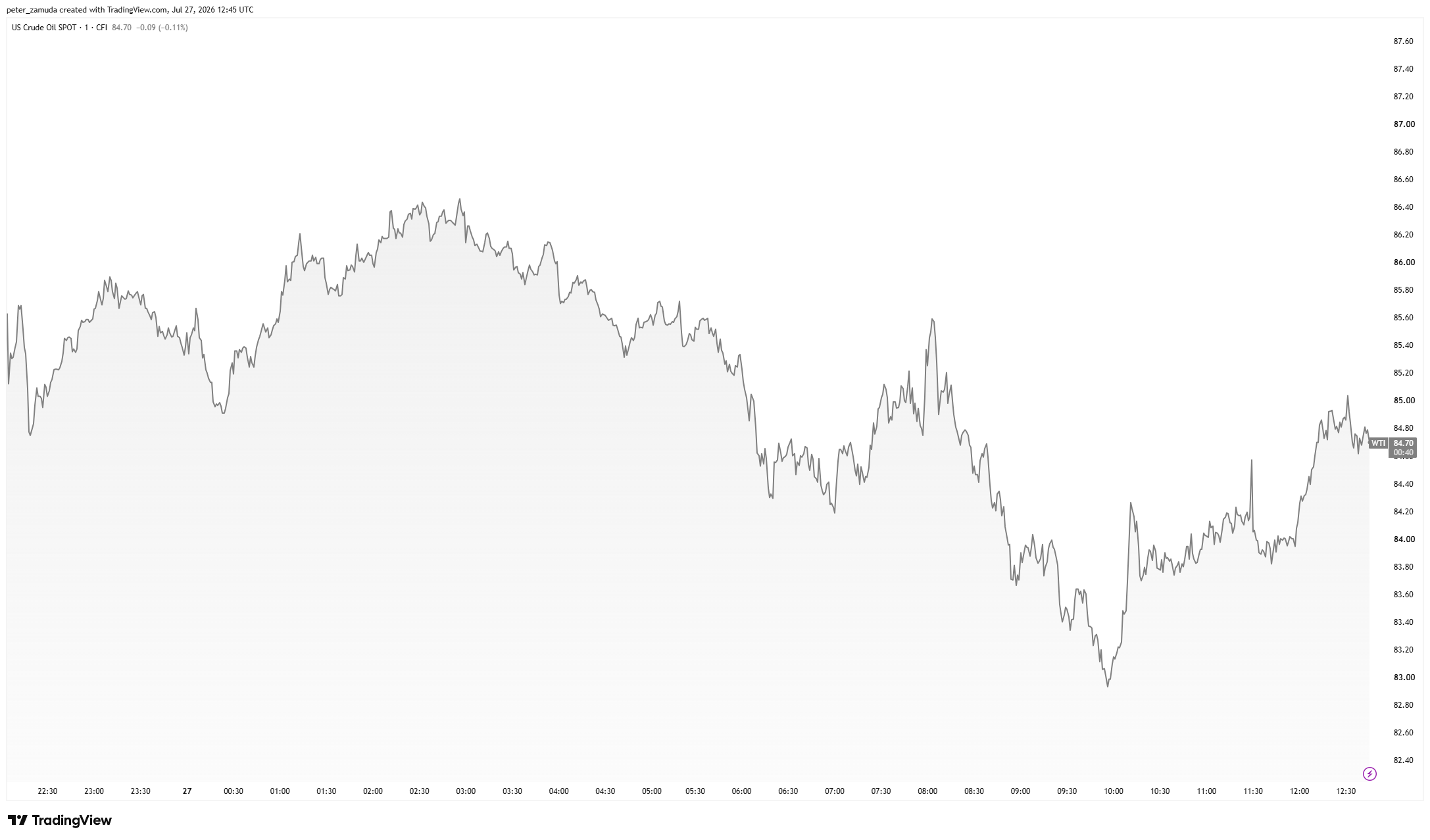
Strait of Hormuz concerns begin to fade
The market reaction reflects a sharp shift in investor sentiment.
For much of the past two weeks, traders had priced in a growing geopolitical premium as military exchanges between Washington and Tehran intensified. Those concerns centered on the Strait of Hormuz, a strategic passage through which roughly one-fifth of global oil supplies move each day.
With both sides agreeing to pause further strikes, immediate concerns over disruptions to tanker traffic have eased considerably. The reduction in military activity lowered the perceived risk of supply shortages, prompting investors to lock in profits from last week's oil rally.
Energy markets tend to react quickly to geopolitical developments, and the latest decline highlights how rapidly risk premiums can disappear once tensions begin to subside.
Traders rotate focus back to market fundamentals
As geopolitical fears fade, market participants are once again focusing on broader supply-and-demand dynamics.
Attention is shifting toward global economic growth, fuel consumption trends and production decisions from OPEC+ producers. Any signs of slowing demand or additional supply could place further pressure on crude prices following the latest correction.
The recent decline also reflects profit-taking after oil's rapid ascent. Last week's gains were driven primarily by conflict-related supply concerns rather than changes in underlying market fundamentals, making prices vulnerable once those risks diminished.
Volatility likely to remain elevated
Despite the sharp pullback, analysts caution that volatility in the energy market is unlikely to disappear.
The ceasefire has reduced immediate concerns, but tensions across the Middle East remain elevated, leaving the possibility of renewed disruptions if negotiations break down or military activity resumes.
Any fresh attacks on shipping lanes, energy infrastructure or regional military assets could quickly restore the geopolitical premium that supported oil prices over recent sessions.