Key highlights:
- IMF confirms that El Salvador’s recent Bitcoin purchases were made through private donations
- The country is also required to limit future accumulations in this way
- Despite IMF requirements, the country continues to buy BTC
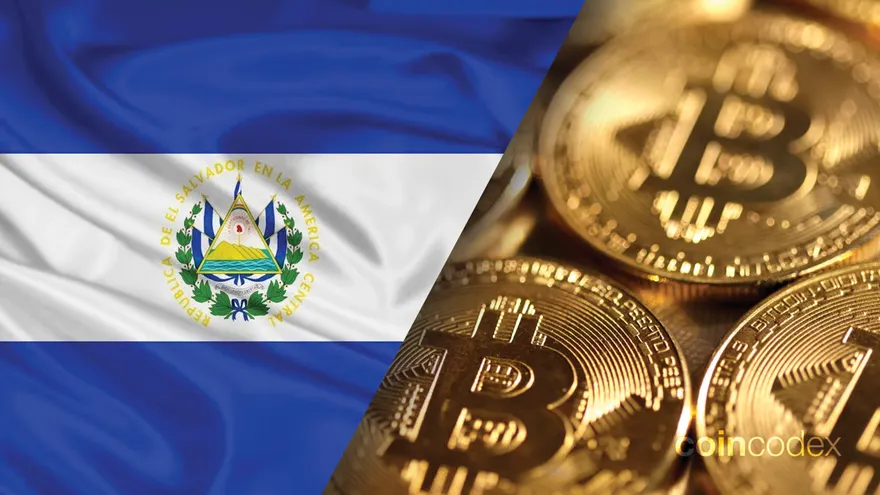
According to the International Monetary Fund (IMF), El Salvador is unlikely to add more Bitcoin to its portfolio via government purchases. The fund added that future buys will be limited to privately donated BTC. IMF also confirmed that the country’s BTC buys since its first review did not involve any public funds; they were made entirely through private donations.
IMF staff and the Salvadoran authorities have reached a staff-level agreement on the combined second and third reviews under El Salvador’s Extended Fund Facility (EFF) arrangement. Subject to IMF Board approval this would unlock about US$140m. https://t.co/M2cPiHQBsp pic.twitter.com/SqppMrOdk1
— IMF (@IMFNews) September 3, 2026
El Salvador’s Bitcoin purchases came from private donations, says IMF
IMF, in its latest press release, revealed a staff-level agreement with El Salvador on the combined second and third reviews under the country’s Extended Fund Facility (EFF) arrangement. The deal still awaits approval from the IMF Executive Board.
One of the main things highlighted in the statement is that El Salvador hasn’t purchased any Bitcoin recently via government funds. Instead, the purchases were carried out entirely using private donations. The IMF wants the country to follow the same pattern in the future as well, with no BTC buys made via government funds. The statement reads:
“Documentation has been provided verifying that Bitcoin accumulation since the first review reflects private donations and that no public resources were used…Going forward, no further Bitcoin accumulation beyond the documented donations is expected.”
Chivo wallet sees reduced government role
In addition to the Bitcoin accumulation, the public participation in El Salvador’s Chivo digital wallet has also significantly declined. Now, most of the ownership and day-to-day control of the wallet are given to a private operator. But the government continues to hold a smaller stake. The IMF noted:
“Public participation in the e-wallet Chivo has been substantially unwound, and efforts are underway to enhance transparency of Bitcoin holdings across the various wallets.”
It is also worth noting that the El Salvador government still remains responsible for the custody of customer assets. The country is also increasing its efforts to improve transparency around BTC holdings across different wallets. With this move, the country intends to bring more clarity to the public about its crypto reserves.
El Salvador continues to buy Bitcoin
Despite restrictions from the IMF, El Salvador continues to build its Bitcoin reserve. The country is still buying BTC, with total holdings now reaching 7,762 BTC, worth $598 million. The country maintains its strategy of adding one Bitcoin per day, even if the market continues to fluctuate. The government adopted this policy in 2021, when it officially accepted BTC as legal tender.
Interestingly, the pace of El Salvador’s Bitcoin accumulation has remained strong. Between January and April 2026, the country has bought about 1,600 coins. The government has maintained this accumulation strategy even after it entered into a $1.4 billion agreement with the IMF.
As part of the IMF agreement, the country was later forced to end the Bitcoin law and remove its legal tender status. However, the government continued to hold its Bitcoin reserve, further strengthening it with private donations.