We’ve rolled out another batch of improvements across CoinCodex, with a big focus on data quality, cleaner asset pages, and making it easier to understand the trading status of different cryptocurrencies.
Some of these changes are visible right away, while others are behind-the-scenes improvements that help keep CoinCodex accurate, fast, and useful as the number of tracked assets continues to grow.
A new status for coins with no recent exchange data
One of the bigger changes is a new automatic trading status called “No Recent Exchange Data.”
This status is used for cryptocurrencies where we haven’t received exchange trading data over the past 7 days. Previously, these coins could continue to look like normally traded assets even if their price had effectively stopped updating.
Now, CoinCodex can identify these assets automatically and display their status more clearly. Once new data starts coming in, the historical data for the missing period is downloaded, and the coin is reactivated.
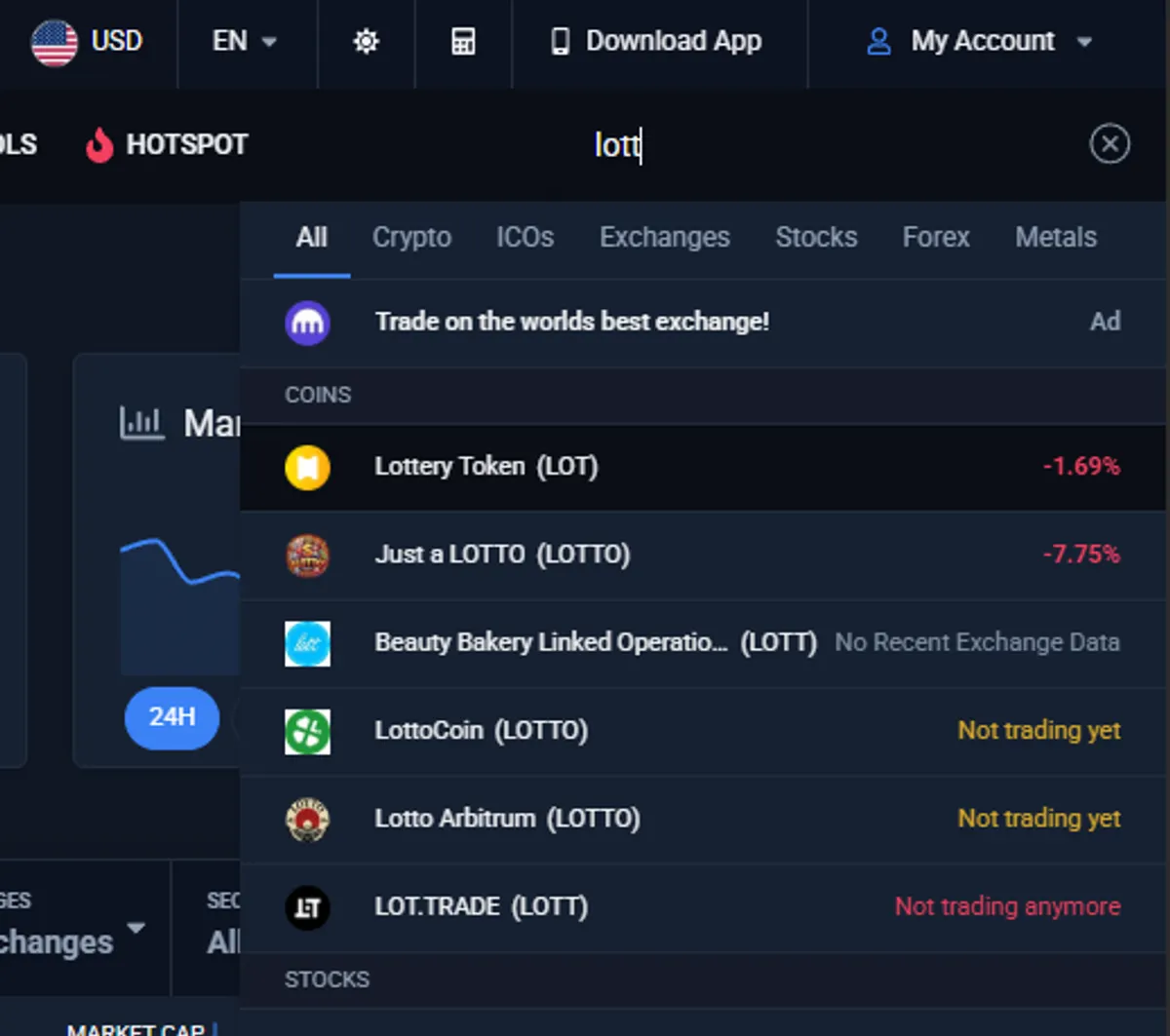
We’ve also improved how trading statuses appear in search, so it should now be easier to distinguish actively traded coins from assets that are inactive, delisted, or no longer receiving fresh market data.
In practice, this means that you’ll see these statuses in search results and on overview pages, all of which we think are pretty self-explanatory:
- Active coins (“regular” coins that are actively being traded)
- No recent exchange data (coins that haven’t had any data come in over the past 7 days)
- Not trading yet (listed coins that have not begun trading)
- Not trading anymore (dead projects)
Fewer low-value pages for inactive coins
Coins without recent trading data often don’t have enough useful information to support pages such as price predictions, exchange listings, historical data, or news feeds.
Instead of keeping these pages live with stale or very limited information, we now automatically remove certain secondary pages for coins that no longer receive exchange data.
The main coin overview can still provide useful historical information, but we want to avoid sending users to pages that don’t have anything meaningful to offer.
If trading activity resumes, these pages can be restored automatically as well.
Behind the scenes, we’ve also added new reports to help our team monitor inactive and reactivated assets.
Cleaning up thousands of inactive coins
We’ve also started a larger cleanup of the CoinCodex coin database. As part of the first batch, we removed roughly 1,500 inactive or low-value assets that no longer made sense to keep listed. This is only the beginning. We’re currently planning to remove roughly 8,000 additional coins as part of the same cleanup effort.
Asset databases can grow very quickly, and over time they accumulate abandoned projects, inactive tokens, test assets, and coins that haven’t traded for years. Regular cleanup helps keep search results, rankings, and asset pages focused on cryptocurrencies people are actually looking for.
Better links in Recently Viewed and Popular assets
We’ve made a small navigation change that should make browsing CoinCodex feel much more natural.
Previously, the Recently Viewed and Popular asset elements could send users back to the main overview page when switching between assets.
Now, they keep you within the same type of page.
For example, if you’re checking:
/crypto/bitcoin/news/
and select Solana, you’ll be taken to:
/crypto/solana/news/
instead of the main Solana overview page.
The same behavior applies across other supported asset sections, not just for crypto but other assets as well.
It’s a small change, but particularly useful when comparing the same information across multiple assets.
Fixes for major market indicators
We’ve fixed several issues affecting some of the broader market data shown across CoinCodex, including:
These indicators appear across multiple parts of the site, so keeping them consistent and reliable is an important part of maintaining accurate market coverage.
We also completed several less visible changes.
We’ve also reduced the number of automatically generated cryptocurrency prediction articles. While automation can be useful for covering a large market, we want to make sure the content we publish remains useful and doesn’t create unnecessary or repetitive pages.
Keeping CoinCodex useful as it grows
A lot of this update can be summed up as housekeeping.
CoinCodex tracks a very large number of cryptocurrencies, and maintaining that database isn’t only about adding new coins. It also means removing abandoned ones, identifying stale data, cleaning up outdated pages, fixing navigation issues, and making sure the information users see is still useful.
These updates are another step toward a cleaner CoinCodex with better data, fewer dead-end pages, clearer search results, and a better overall browsing experience.