Key highlights:
- Erik Voorhees said a proposed rewards program could give loyal users VVV tokens
- They plan to use part of customer payments to buy VVV on the open market
- The token has gained about 36% over the past week
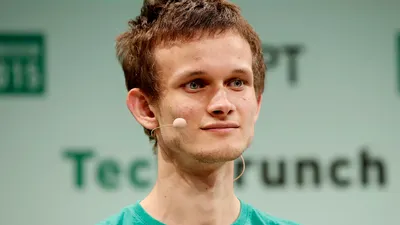
Erik Voorhees, the founder of AI platform Venice, floated a new plan that would reward loyal users with VVV tokens. The program could be funded by a portion of what customers already pay to use the service.
Venice founder proposes a new way to reward loyal users
Speaking on Unchained's Uneasy Money podcast on August 20, Voorhees described the program as an idea still in the early stages. The plan is to take a slice of user payments, use that money to buy VVV on the open market, and hand the tokens to customers who are using the platform.
Does America Deserve to Win the AI Race? Erik Voorhees Says No: Uneasy Money
Crypto was supposed to need its own universe. @erikvoorhees says that was the mistake. The @AskVenice founder tells @kaiynne and @tayvano_ that crypto's real job is becoming the rails AI agents already… pic.twitter.com/UlKKxChUA0— Laura Shin (@laurashin) August 22, 2026
He was careful to note the plan hasn't been finalized, saying it hadn't been "announced or deployed yet." Voorhees also said this is a way of "buying loyalty," turning paying customers into token holders without asking them to purchase anything themselves.
In his view, users who stick around would end up with a stake in the platform. The idea would run alongside and not replace the company's current approach to VVV.
Since late last year, the platform has used a share of its subscription and API revenue to buy VVV to remove it from circulation. This new rewards plan would work differently. It will instead give tokens to loyal users instead of destroying them, as a way to keep customers engaged with the service long-term.
Shrinking supply helps the company long-term
Voorhees said the company wants to burn all the tokens in existence, describing the approach as an "unorthodox financial strategy."
He pushed back on the premise that burning tokens could hurt the company's equity holders. The founder said that because the business itself holds more VVV than its outside investors do, the two groups' interests are aligned and not against each other
Meanwhile, in July, the company raised $65 million in a funding round led by Dragonfly in July, valuing its equity at $1 billion. But instead of selling tokens to raise that money, it chose to sell shares instead.
Voorhees explained the move, saying the company had both equity and tokens available to sell and ultimately decided to sell the shares.
“We have equity, and we have tokens. We have a bunch of both. Which one do we want to sell? Let’s sell the equity, and we’ll keep the tokens,” he said.
VVV pumps 36% as revenue grows
The comments come just as VVV climbed over 36% in the last week. This comes thanks to the platform’s rising revenue and shrinking token supply.
Its platform annualized revenue crossed $100 million in August, up from about $70 million just a month earlier. Part of that growth was tied to the token purchases and burns built into the pricing structure.
A second burn mechanism was added in July. The company directed $5 out of every $100 spent on Venice AI credits to buying and burning VVV, on top of burns that were tied to the Pro, Pro+, and Max subscription tiers.
Supply-side changes are also underway. The target supply of the DIEM token, which is minted by locking staked VVV, rose from 38,500 to 39,000 on August 17. More increases would also be implemented at the end of August and mid-September.
Each DIEM token unlocks a fixed daily amount of platform credits. This means a higher target effectively expands how much value users can access by locking up their VVV.
Additionally, annual VVV issuance is set to drop from 3 million tokens down to 2.5 million on September 1, then to 2 million on October 1, a level about 86% below the token's original issuance rate when it launched.