Key highlights:
- Ripple CEO Brad Garlinghouse said the company almost stopped operations after the SEC sued them in late 2020
- The company considered giving its XRP holdings to shareholders
- Ripple's legal battle with the SEC lasted about four years and cost $150 million
The legal tussle between Ripple and the U.S. SEC is one of the most talked-about cases in crypto history. Ripple CEO Brad Garlinghouse, in an interesting revelation, shared that the company almost did not want to fight back.
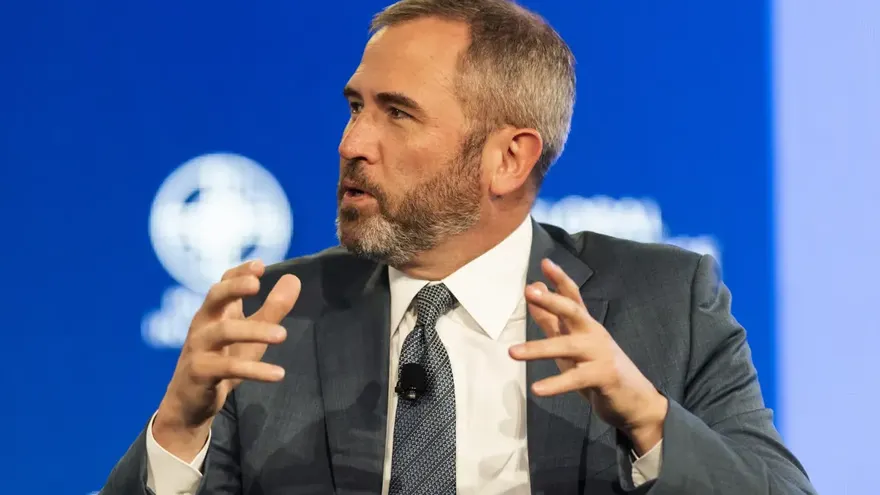
Speaking at the University of Kansas School of Business, Garlinghouse said that after the SEC filed its lawsuit in December 2020, he and co-founder Chris Larsen seriously considered shutting the company down instead of fighting the case in court.
He added that the decision to battle the SEC was one of the toughest moments in the firm's history. He said taking on a government agency that has “infinite power and resources” felt like a major risk. At the time, it was unlikely the company could win.
Ripple considered giving out XRP and closing operations
Garlinghouse said the management thought about the possibility of dissolving the business entirely. The company was holding a large amount of XRP tokens and almost distributed those holdings to shareholders on a pro-rata basis. This would have effectively ended the SEC case.
“We almost decided to shut down the company when the SEC sued us. I'm glad in retrospect, but that was not obvious at the time."
The option seemed like the easier route out, but he said that it would have caused serious problems for employees. Hundreds of workers could have lost their jobs, and years of work building payment technology for blockchain would have come to an end. Ultimately, their team decided to continue operating and challenge the SEC's claims in court.
Four-year legal battle cost $150M
This lawsuit was among the many crypto cases that the SEC was handling. They accused the company of selling XRP as an unregistered security. The regulator also named the CEO and co-founder Chris Larsen personally in the case.
Garlinghouse was particularly annoyed about the case because he met with the SEC officials four separate times between 2017 and 2019 to explain blockchain technology and how XRP was being used within the firm's payment network.
He said he attended those meetings without any legal representation because he thought they were just discussing for educational purposes. He added that regulators never said during the meetings that they viewed XRP as a security. Then, in 2020, the agency launched a legal attack on the firm, alleging that it was selling XRP as to investors as an unregistered security.
The legal fight went on for as long as four years and cost the firm about $150 million in legal expenses. The company also saw a slowdown in its U.S. operations due to the issue.
A turning point came on July 13, 2023, when Judge Analisa Torres ruled that XRP itself is not a security when traded on public exchanges. The ruling was a major victory for the crypto industry at large.
Parts of the case continued afterward. Both sides then withdrew their appeals, which then brought the dispute to a close.
However, he added that much has changed since then. Garlinghouse said that the new SEC leadership adopted a positive approach to digital assets.